THE WHISPERER’S CABINS
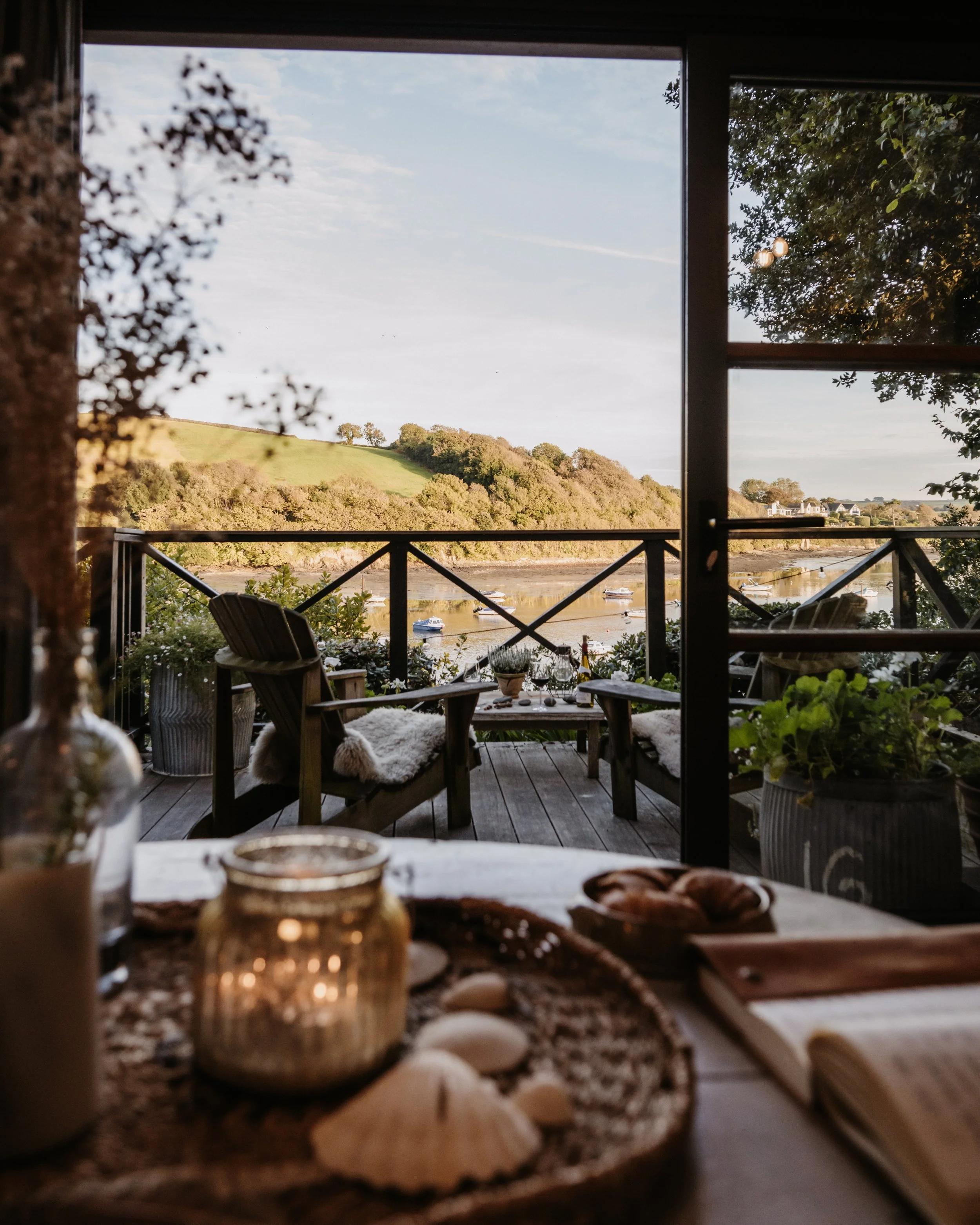
The Cabins came before the consultancy.
For years I designed and hosted two very different spaces in Devon and watched what happened to the people inside them. Guests who arrived with plans to explore, to be busy, to tick things off, and who quietly abandoned all of it. Who stayed in. Who slowed down. Who said, on leaving, that they felt like themselves again.
A Living Practice
Batman’s Summerhouse and Bowcombe Boathouse are where I tested everything The Guest Whisperer is built on, not in theory, but in linen and light and the particular quiet of a room that knows what it’s for.
These spaces are where I learned what I now bring to other people’s businesses.
BOWCOMBE
BOATHOUSE
“It’s not styled to impress but to soothe - a room that feels like an exhale.”
- Charlotte Colville, Living in Country StyleBowcombe Boathouse
Shelter by the Water
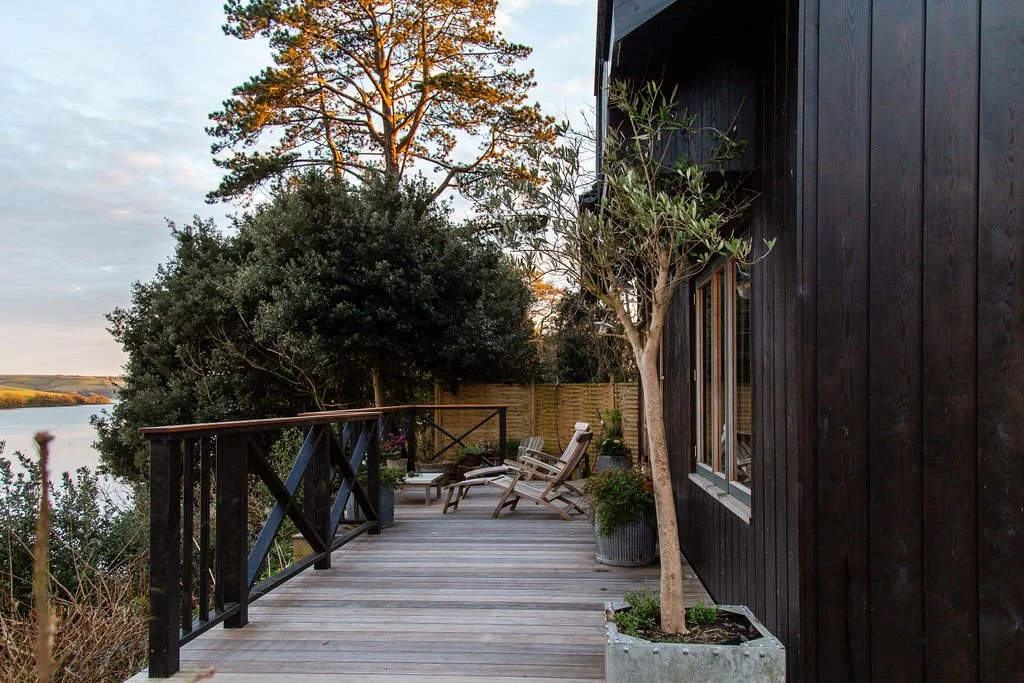
At the edge of the water, the Boathouse opens outward. Once a weathered Salcombe yawl shed, now clad in local larch and antique slate, reclaimed from a 150-year-old longhouse.
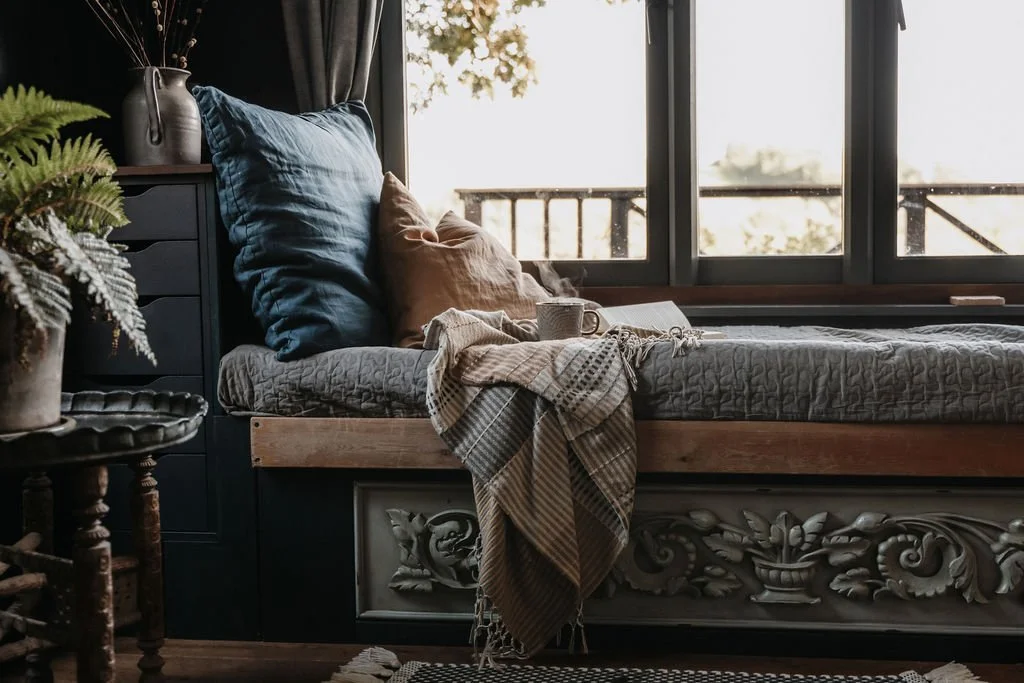
Light moves constantly across the estuary, shifting the mood of the space throughout the day. A window seat draws you to a pause and the tide sets the rhythm.
There is a simplicity to how it works:
a swim, and salt still on the skin.
a drink poured without ceremony.
a fire laid before you need it.
Nothing shouts for attention and because of that, everything becomes easier to notice.
BATMAN’S
SUMMERHOUSE
“What Miranda has created is less about luxury, more about deep comfort.”
- Ali Heath, author of Curate, Coccon and Create 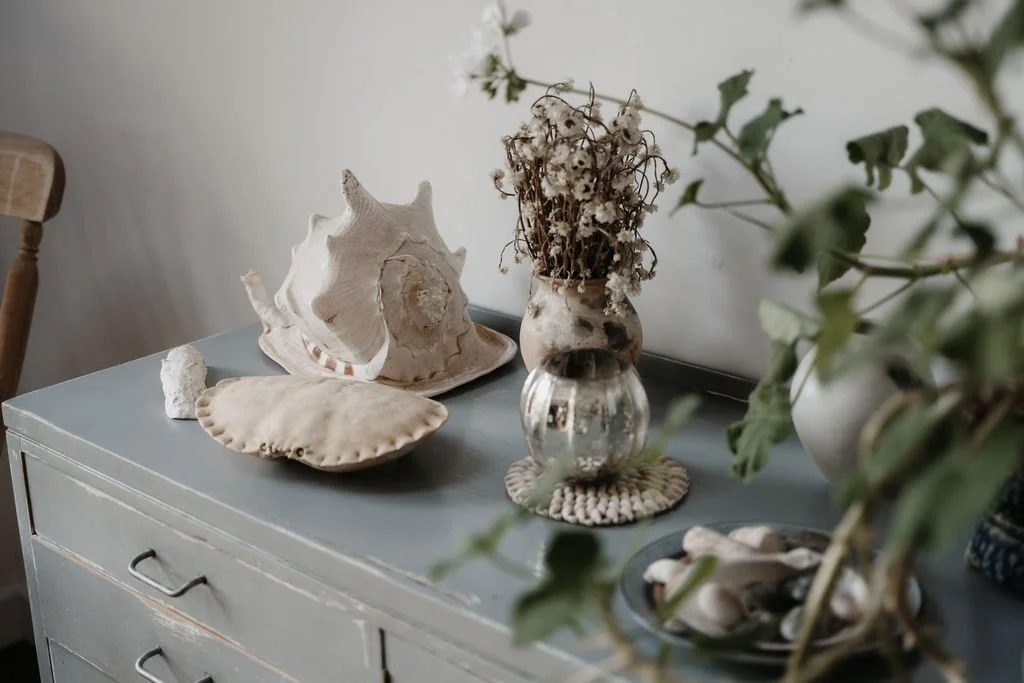
How History Holds Us
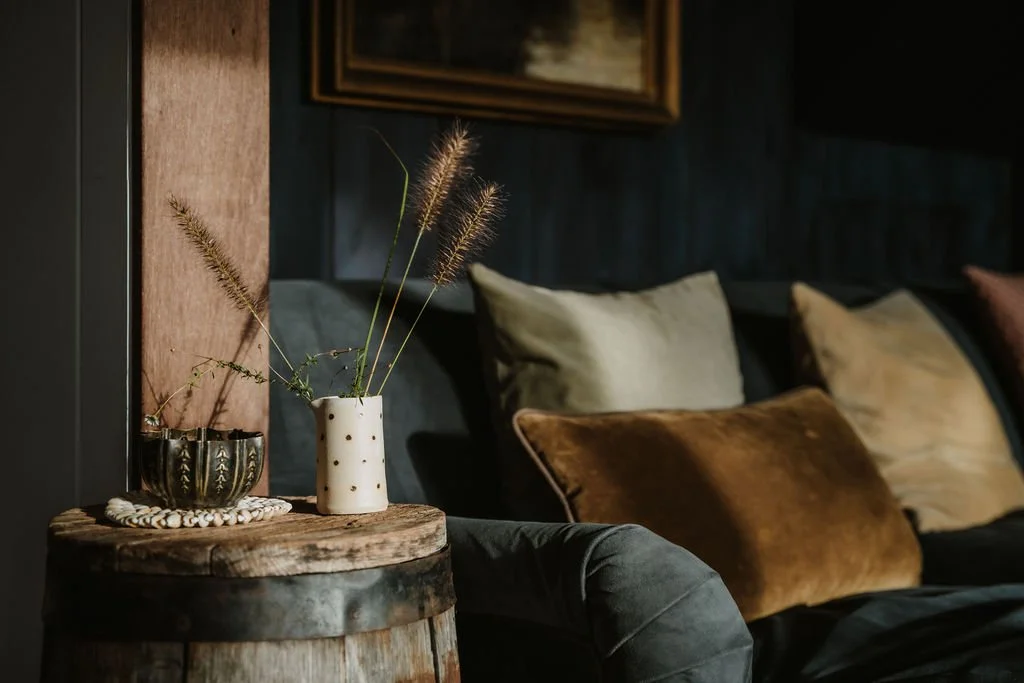
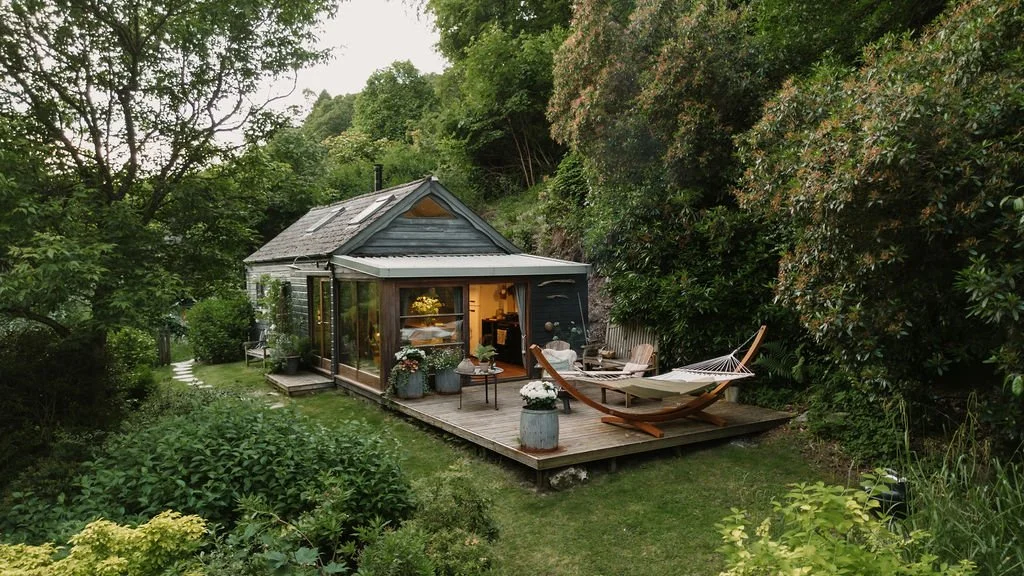
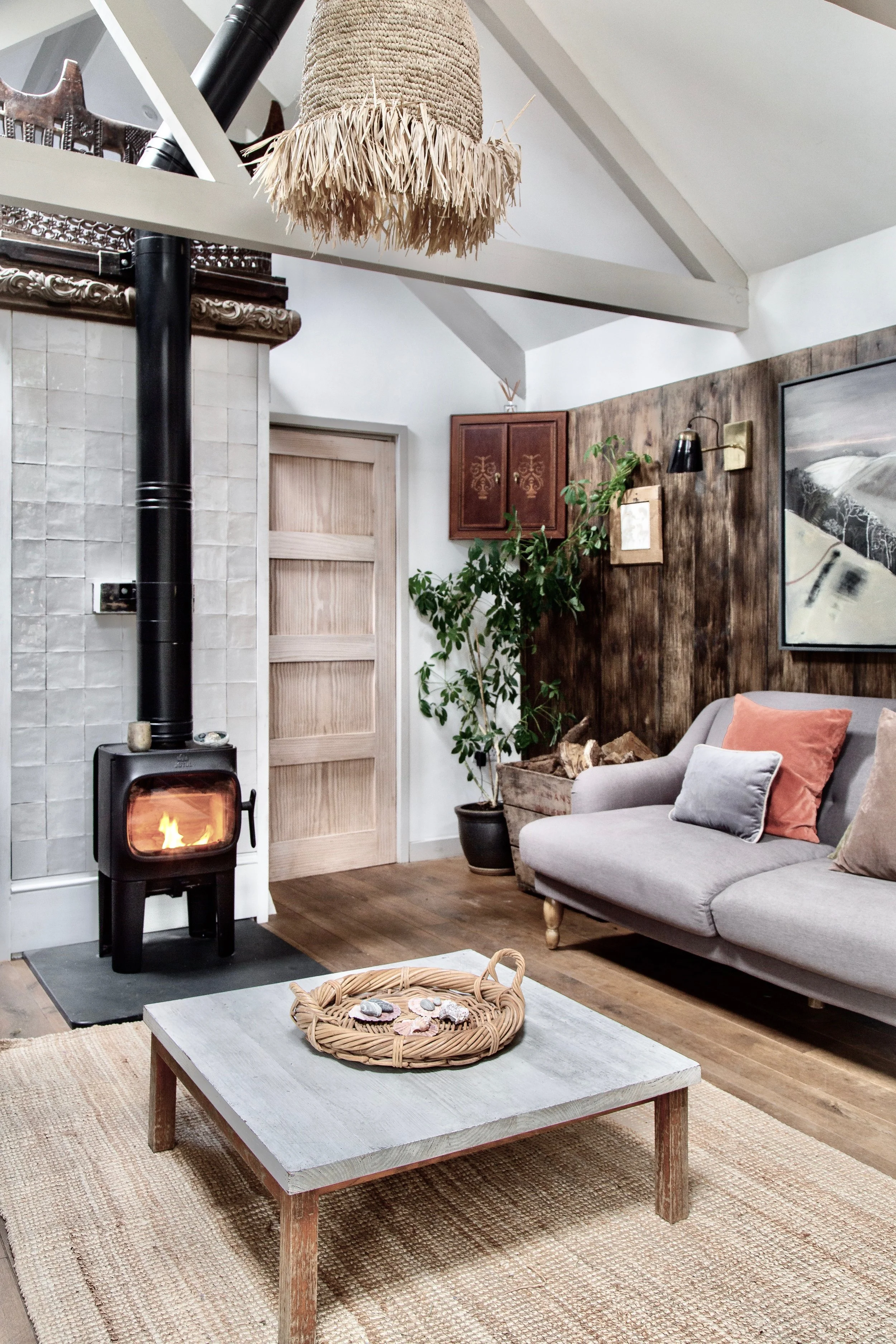
This cabin was built in the 1930s from local timber, as quarters for a batman - an officer’s personal attendant. A man whose entire role was attentive service and quiet competence. That history is in the walls.
The Summerhouse sits above the river. At night you can hear owls in the woods behind and fish rising in the water below. There is very little else.
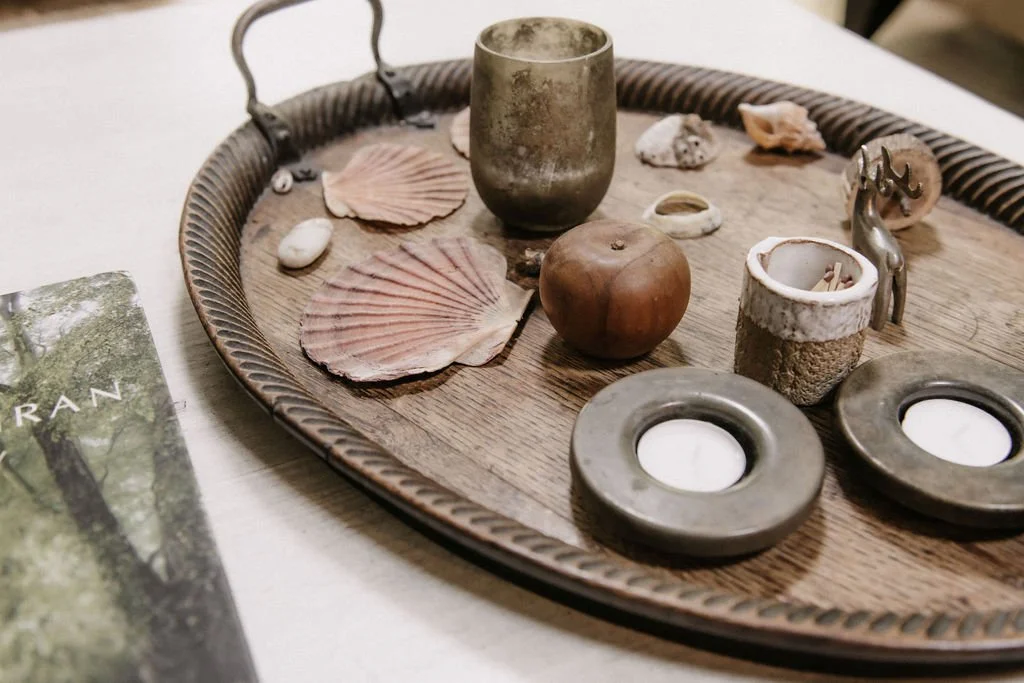
Guests who stay here tend to stop making plans. Not because there’s nothing to do, but because the space asks something different of them - to be still, to notice, to let the layers of the place settle around them.
That’s what a room with history does. It gives people something to rest against.
This is where I first understood that a space with a story already in it asks less of the person inside and gives more back.
What They Revealed
These cabins were not created as a study, but over time, they became one.
These spaces are where I learned what I now bring to other people’s businesses.
“The better machines become at thinking, the more we’ll be defined by what we feel.”
Join the Conversation
Every TGW project begins with a conversation about what happens in your space.
If you’d like to explore how this philosophy could shape your space, and support your people, let’s begin.
-
![]()
Whispering to Business
-
![]()
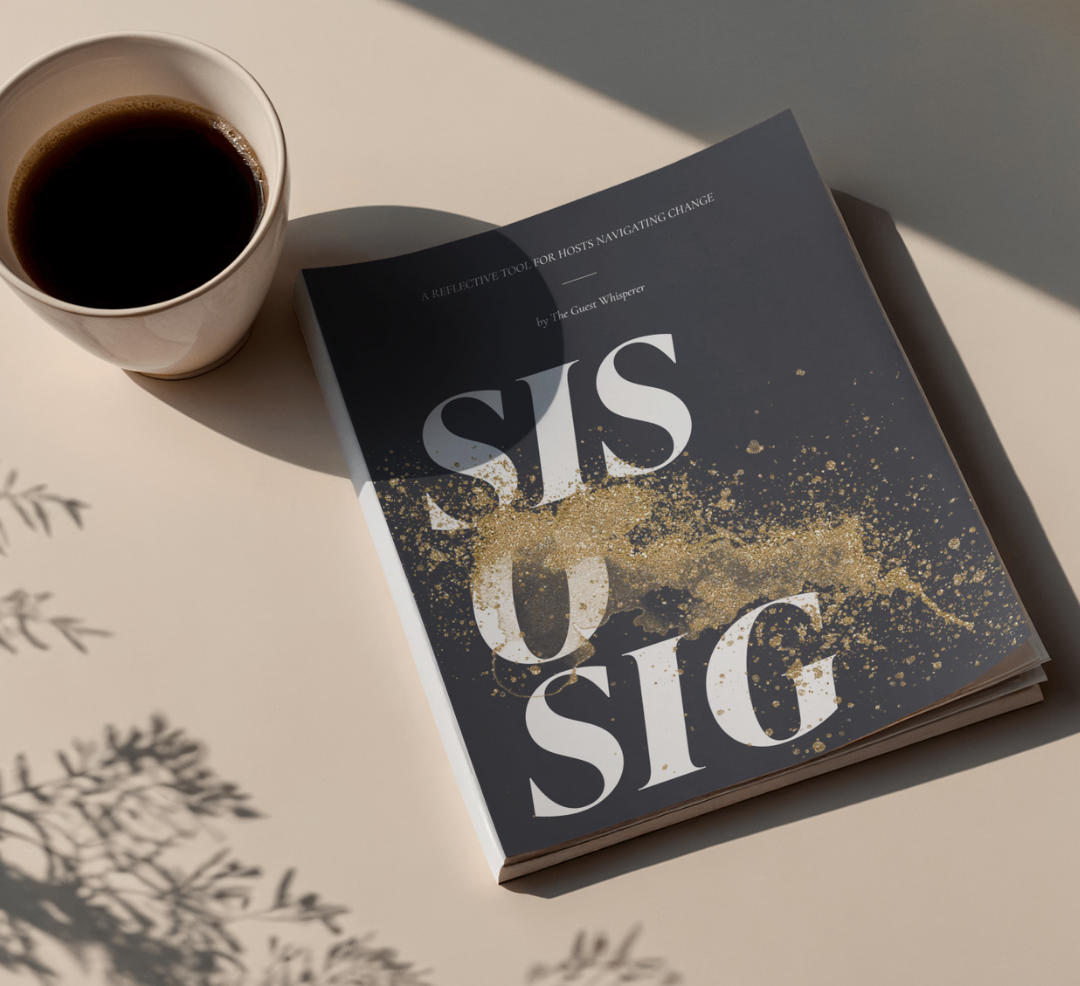
Should I Stay or Should I Go?
-
![]()
Whispering to Hosts
-
![]()
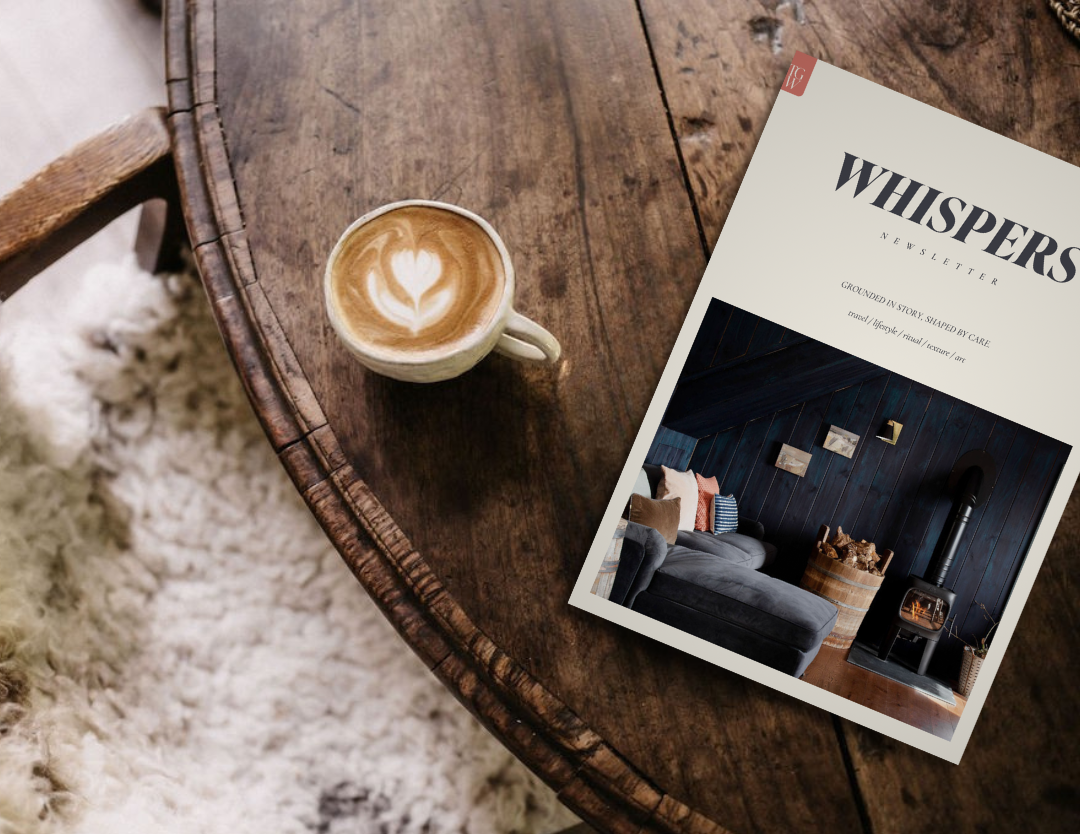
Subscribe to Whispers